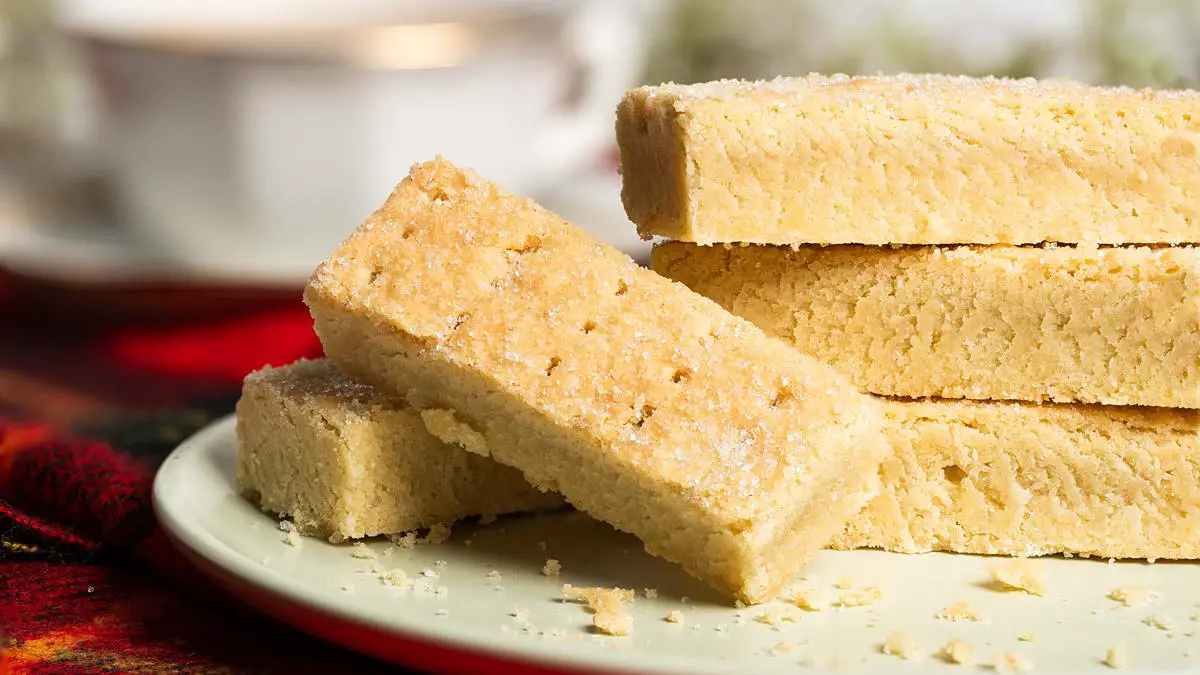
The BEST Scottish Shortbread
There is nothing quite like a traditional, all-butter Scottish Shortbread. This recipe, gifted to me by a dear friend and passed down through generations, is the definition of "short"—delicate, crumbly, and melt-in-your-mouth perfection. Using just four simple ingredients and the traditional "pricked" finger method, this egg-free bake is the ultimate accompaniment to a hot cup of tea (or a cheeky dram of whisky!).
Ingredients
- 230 g (1 cup + 1 tbsp) unsalted butter, softened
- 100 g (½ cup) caster sugar
- 350 g (2 ½ cups) plain (all purpose) flour
- 0.25 tsp salt
- 0.5 tsp granulated sugar, for sprinkling (optional but good!)
Instructions
- Preheat the oven to 180C/350F. Line an 8" square tin with parchment paper, then set aside whilst making the shortbread.
- In a large bowl, tip in the butter and sugar. Mix together until completely combined, but not pale and fluffy. Sift in the flour and salt and push together to combine until it comes together into a soft and slightly crumbly dough.
- Tip the dough into the prepared tin and press down into an even layer. Cut the dough into fingers then use a fork to prick the dough, pushing the fork about halfway down each slice.
- Bake in the preheated oven for 25-30 minutes until the top looks dry and the edges are just starting to go golden. Remove from the oven and refresh the cuts before sprinkling with granulated sugar. Leave to cool in the tin before breaking out to share. Enjoy!
Notes
Nutrition
Calories: 142kcal